

Pomodoro and marinara are two of the most iconic Italian tomato sauces. They share a tomato base, but their flavor, texture, and cooking methods set them apart. Pomodoro is velvety and refined, developed through slow simmering that deepens its sweetness. Marinara is livelier and more rustic, with a looser consistency and bold aromatics like garlic and oregano.
No matter which you reach for, using high-quality tomatoes makes a noticeable difference. Tuttorosso Tomatoes deliver consistent flavor and color, giving you a dependable foundation for any Italian dish.
What Is Pomodoro Sauce?
Pomodoro, Italian for “tomato”, is a simple, elegant sauce built to showcase tomato flavor. It typically includes tomatoes, olive oil, and a small amount of aromatics. Slow cooking transforms it into a smooth, cohesive sauce.
Key Ingredients and Flavor Profile
Pomodoro focuses on minimal, fresh ingredients: tomatoes, olive oil, basil, and just a hint of garlic. The longer simmering reduces the sauce into a thicker, uniform consistency, highlighting the natural sweetness of the tomatoes.
When to Use Pomodoro Sauce
This sauce excels in dishes where you want the tomato flavor to shine without competing seasonings. It works beautifully in pasta al pomodoro, complements long pastas like spaghetti, and creates a clean, balanced base for pizza or lighter Italian dishes.
Try our Pomodoro Sauce Recipe for a classic version.
What Is Marinara Sauce?
Marinara originated in coastal Naples as a sauce that comes together quickly. It’s known for its brighter flavor, chunkier texture, and more assertive seasonings.
Ingredients and Signature Seasonings
While it shares the same tomato base as pomodoro, marinara leans into aromatics: garlic, oregano, and sometimes red pepper flakes or onion. Because it cooks for less time, it maintains a looser consistency and a more vibrant tomato flavor.
Check out our Marinara Sauce Recipe for an easy homemade option.
When to Use Marinara Sauce
Marinara’s bold, herb-forward taste makes it great for weeknight meals. It pairs well with seafood, short pasta shapes, and thin-crust pizzas, and is a classic dipping sauce for appetizers like mozzarella sticks and garlic bread.
Pomodoro vs. Marinara — Side-by-Side Comparison
| Feature | Pomodoro | Marinara |
| Texture | Smooth, thick, uniform | Looser, chunkier, rustic |
| Cooking Time | Longer simmer, reduced | Shorter cook, fresher flavor |
| Flavor Profile | Tomato-focused, subtly sweet | Garlicky, herby, bright |
| Best Uses | Pasta al pomodoro, pizza base, simple pastas | Seafood dishes, short pasta, dipping, quick meals |
Flavor and Texture Differences
Pomodoro achieves a silkier texture and deeper flavor through slow reduction. Marinara remains lighter and more textured, with its seasonings staying front and center.
Cooking Time and Technique
Pomodoro requires steady simmering to fully break down the tomatoes. Marinara cooks in a fraction of the time—often beginning with garlic and herbs sautéed briefly before adding tomatoes—resulting in a fresher, more immediate flavor.
Best Use Cases
Choose pomodoro when you want a smooth sauce that clings to pasta or creates a clean base for pizza or lighter dishes. Use marinara for quick meals, seafood pastas, or anytime you want a punchier, more aromatic sauce.
How to Choose Which Sauce for Your Dish
Though they’re sometimes used interchangeably, each sauce has strengths depending on the dish. Pomodoro is ideal when you need a refined, cohesive sauce. Marinara is perfect when you want something fast, flavorful, and aromatic.
Flavor Preferences
Pick marinara if you prefer brighter, more herbaceous flavors. Choose pomodoro when you want a deeper, sweeter, tomato-centered sauce.
Pairing by Pasta Shape or Protein
- Pomodoro: Works well with long noodles (spaghetti, linguine) and mild proteins like chicken cutlets.
- Marinara: Suits short pasta shapes (penne, rigatoni) and seafood, where its sharper flavors shine.
What to Look for in Jarred or Canned Versions
A good store-bought sauce, pomodoro or marinara, should feature simple, recognizable ingredients like tomatoes, olive oil, garlic, and herbs. Look for minimal added sugar and few additives.
Ingredients to Prioritize
Choose products with quality tomatoes and real olive oil at the top of the ingredient list. Pomodoro should appear smooth and uniform; marinara can show visible herbs and small tomato pieces. Labels that reference “slow-simmered” or “quick-cooked” can help you pick the right option for your recipe.
Summary & Takeaway
Ultimately, the difference comes down to texture and cooking style:
- Pomodoro: Slow-cooked, smooth, rich
- Marinara: Quick, rustic, bright
Pomodoro delivers a velvety, concentrated tomato flavor, while marinara brings a lively, garlicky profile. Matching the sauce to your dish—pasta shape, protein, or preparation—helps you get the best results every time.
Related Products
-
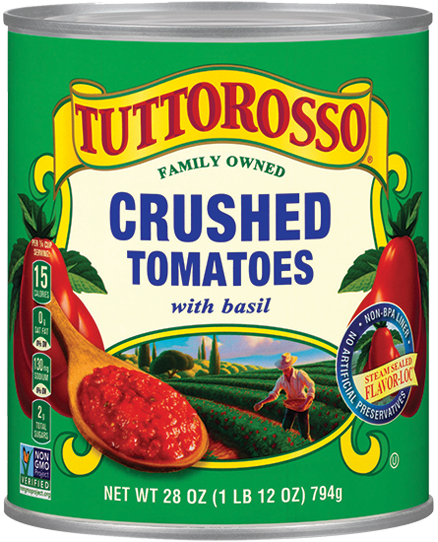
Crushed Tomatoes with basil 28 oz
Available Sizes: 15 oz, 28 oz
-
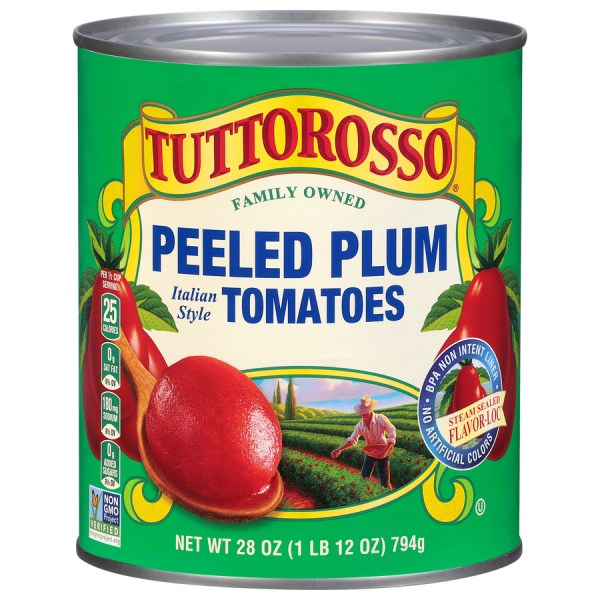
Peeled Plum Tomatoes 28 oz
-
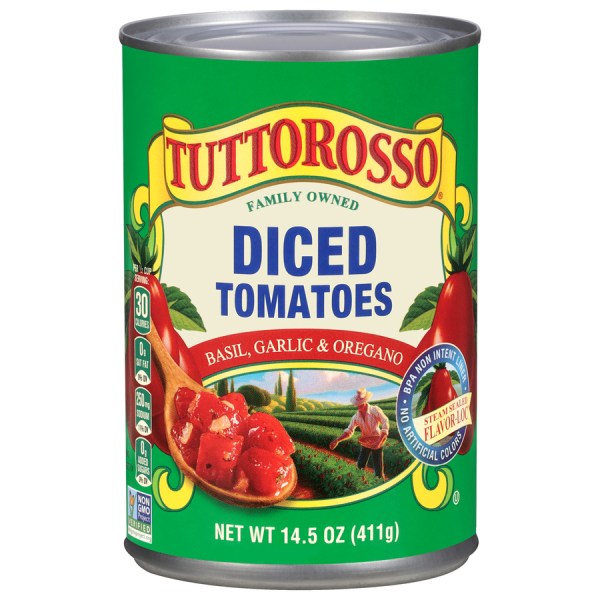
Diced Tomatoes Basil, Garlic & Oregano 14.5 oz
Related Recipes
-
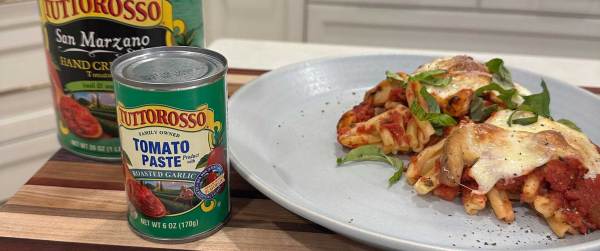
Cheesy Baked Mozzarella Pasta
Tuttorosso San Marzano Hand Crushed Tomatoes and Tuttorosso Tomato Paste with Sweet Basil add that rich, classic flavor that really carries the whole dish.
-
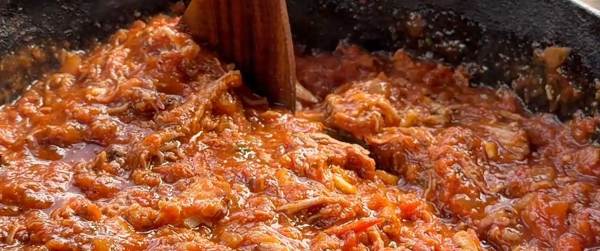
Smoked or Oven-Braised San Marzano Pork Ragu
A rich, Italian-style pork ragu made two ways: smoke-first and finished on the smoker, or seared and braised in the oven. Both versions start with high-quality San Marzano tomatoes for...
-
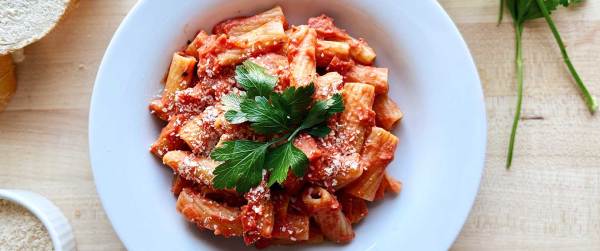
Easy Creamy San Marzano Tomato Rigatoni
The key ingredients here are Tuttorosso Hand Crushed San Marzano Tomatoes and Tomato Paste with Roasted Garlic.