

While we love tomato sauce stirred into a delicious recipe or paired alongside our favorite dish, it’s never fun when it accidentally lands on our clothes or carpet. There’s no need to worry! To remove a tomato sauce stain, scrape off the excess, flush the fabric with cold water from the back, apply liquid dish soap or laundry detergent, and wash cold (never hot) until the stain is gone. Whether it’s tomato sauce, spaghetti sauce, marinara, pizza sauce, or ketchup, your clothes or any other fabric will be restored in no time.
Red Gold Tomatoes has created a guide for how to remove tomato sauce stains! Jump to what you need:
- The Importance of Quick Action
- Stain Removal by Fabric Type – Cotton, Synthetic, Delicate
- Carpet & Upholstery
- Extra Tips – Vinegar & Baking Soda, Lemon Juice
- Handling Different Types of Tomato-Based Stains
- Removing Tomato Stains from Hard Surfaces & Plastic
The Importance of Quick Action
When it comes to removing tomato sauce stains, the most important step is quick action. With tomato sauce comes rich pigments and oils that can (unfortunately) become deeply embedded. Heat can set a tomato stain by baking the tomato’s natural oils, sugars, and red pigment into the fabric, causing them to oxidize and cling more tightly to the fibers. This is why immediate action is so important when it comes to dealing with tomato sauce spills and stains.
Why are Tomato Stains so Hard to Remove?
Tomato stains bond quickly with fabric fibers, but tomato sauce does not stain permanently if you treat it before it sets or goes through the dryer, so act fast, avoid heat, and most tomato stains will come out completely.
Tomato Sauce Stain Removal Techniques for Different Fabrics
Here are some of our favorite stain removal techniques and tips to help you remove tomato sauce stains successfully.
How to get Tomato Sauce out of Cotton
1. Remove excess sauce from clothes or fabric with a dull spoon or knife.
2. Rinse the affected area with cold water. From the back of the fabric, use your towel to push the stain out.
3. Apply a liquid laundry detergent or Dawn® directly to the stain and let it sit for a few minutes.
4. Gently rub the fabric together to loosen the stain.
5. Wash the fabric or clothing item in cold water. Before drying, check for any other stains.
These same steps work, whether it’s for spaghetti sauce, marinara, pasta sauce, pizza sauce, or ketchup, on cotton and poly-cotton blends.
Synthetic Materials
Synthetic fabrics like spandex, nylon, and polyester are typically resistant to many stains, including tomato sauce. If you do get a tomato stain on a synthetic fabric, however, here is how to treat it:
1. Scrape off any excess sauce.
2. Rinse the tomato stain under cold running water.
3. Apply a stain remover, Dawn®, or liquid laundry detergent directly to the stain.
4. Wash the clothing item in cold water. Before drying, check for any other stains.
Delicate Fabrics like Silk or Wool
Delicate fabrics like silk and wool will require additional, special care. Remember, blot only and do not rub. Also, check the care label for “dry clean only” information before you treat it with anything wet. To treat tomato stains on these fabrics, follow these steps:
1. With a clean cloth or paper towel, gently blot the stain on the affected clothing item.
2. Make sure you don’t rub or scrub the stain as this can damage the fabric.
3. If this doesn’t work, read the care label to see if the fabric required hand washing or professional cleaning.
How to Remove Tomato Stains from Carpet and Upholstery
A tomato-based stain can still leave a mark, even on stain-resistant carpets, if it is not cleaned right away. When cleaning a tomato spill on carpet, upholstery or clothing, start by blotting the area with a clean, dry cloth from the outside of the stain toward the center to prevent further spreading. Avoid rubbing the stain because it can penetrate deeper into the fibers and make it harder to remove. For set-in tomato carpet stains, try applying a mixture of dish soap and a cold water rinse to the area and letting it sit for a few minutes before blotting and rinsing until the stain fades. For furniture, first refer to the care tag on the item to see if there are any special cleaning instructions for the type of upholstery fabric it is made of. Using the wrong product for cleaning upholstery can cause irreversible damage. With a little patience and the right approach, you should be able to remove tomato carpet stains and get your carpet and furniture back to looking their best.
Additional Tips for Successful Tomato Sauce Stain Removal
We want to mention a few more stain removal tips that will no doubt help you on your journey to stain-free clothes and fabrics!
Using Vinegar and Baking Soda
1. Start by mixing equal parts of white vinegar and water.
2. Next, apply the mixture to the stain and let it sit for 10-15 minutes.
3. Once that’s complete, blot the stain with a clean cloth.
4. Then, create a paste of baking soda and water and gently rub it onto the stain.
5. Finally, rinse the fabric with cold water and check for any remaining stains.
Vinegar + baking soda: Best for treating older, set-in tomato stains on durable or textured fabrics.
Lemon Juice as a Natural Stain Remover
1. First, begin by squeezing lemon juice onto the stain. Let it sit for a few minutes.
2. Then, rinse the fabric with cold water.
3. If the stain still remains, apply a small amount of salt to the area and gently rub it.
Lemon juice + sunlight: Best for fresh tomato stains on light-colored or white fabrics outdoors
Hydrogen Peroxide for Tough Stains
For particularly stubborn stains, you might want to try this method using hydrogen peroxide:
1. To begin, start by mixing one-part hydrogen peroxide with one-part Dawn® dishwashing liquid.
2. Next, apply the mixture to the stain. Just a reminder to be careful with colored fabrics.
3. Then gently rub the fabric or use a soft brush.
4. Finally, rinse with cold water.
Hydrogen peroxide + dish soap: Best for stubborn, deep-red stains on white or colorfast cotton and synthetics.
Make sure to check the care label on your clothing for specific cleaning instructions. This will vary from fabric to fabric and can give you a better idea about how to properly clean the item. Avoid using hot water or heat when you’re first attempting any stain removal. Heat can set the stain and make it harder to remove. Before using any cleaning product, it’s important to do a patch test on a non-affected area of the fabric to ensure that your chosen method doesn’t cause further damage.
Handling Different Types of Tomato-Based Stains
Not all tomato-based stains are the same. Oils, proteins, tannings, and sugars change what works best. Here’s what makes the stain different and the first step of treatment you should use:
| Stain Type | What Makes It Different | First Step to Treatment |
| Fresh Tomato Sauce | High acidity and bright red pigment (lycopene) that sets fast, especially in heat. Usually low in oil. | Scrape off excess, then flush the back of the stain with cold water to push it out of the fibers. |
| Spaghetti/Marinara Sauce | Cooked tomato base plus added olive oil and herbs. The oil traps pigment deeper into fabric. | Lift off solids, then blot with a bit of dish soap to cut the oil before a cold water rinse. |
| Pizza Sauce | Thick, concentrated, and often seasoned with garlic and cheese oils. Sticks and dries quickly. | Gently scrape away the dried layer, then apply a drop of dish soap to loosen the grease. |
| Ketchup | Loaded with sugar and vinegar. The sugar can caramelize and harden if left to dry. | Remove the surface glob, then rinse cold water through the back to dilute the sugar before it sets. |
| Salsa | Chunky mix of tomato, onion, peppers, and spices. Bits can lodge in fibers and spread color. | Scoop out the chunks without rubbing, then blot with cold water to keep the stain from spreading. |
| BBQ Sauce | Combines tomato pigment with sugar, oil, and dark spices like paprika. One of the toughest to lift. | Scrape off excess, blot with dish soap for the oil, then treat with cold water and a little vinegar. |
Removing Tomato Stains from Hard Surfaces & Plastic
Most tomato stains come out with a little effort, but some need more time and care. Now that we have covered clothes, carpet, and upholstery, let’s take a look at how to get spaghetti stains out of plastic and how to remove tomato sauce stains from plastic.
For plastic food grade containers and Tupperware, immediate treatment is required: wash it with cold water to prevent the stain from setting. For stubborn stains, soak or dissolve a cleaning tablet to remove it. You can also make a baking soda paste by mixing some baking soda with water and gently rubbing it into the stain before allowing it to sit for 15 minutes and then washing it off.
Removing tomato food stains from countertops and hard surfaces requires a slightly different approach. Non-porous surfaces such as quartz and laminate can be easily wiped clean with warm water and mild dish soap to remove fresh stains. For dried stains on these surfaces, allow the above mentioned baking soda paste to work on the stain for a few minutes before wiping clean with a damp cloth. On porous surfaces such as natural stone and wood, it is best to dab at the stain rather than rubbing it to avoid spreading it. Also, be sure to avoid using harsh cleaners and abrasive scrubbers, as they can penetrate the surface and cause irreparable damage. Instead, use a cleaner specifically designed for the surface and follow the manufacturer’s instructions.
Red Gold Tomatoes Makes Meals Memorable
Tomato stains are no fun, but there is one place we love tomato sauce – in your favorite recipes! At Red Gold Tomatoes, our delicious, flavorful tomato sauce products are always made with all-natural ingredients.
Contact us today for more info on the highest quality, best-tasting tomatoes in the world.
Frequently Asked Questions (FAQ)
If treated quickly, the answer is no. The acid and pigment (lycopene) in tomato sauce can set into fabric fibers over time, so acting within 24 hours greatly improves your chances of full removal.
Scrape off excess residue, then soak the garment in cold water mixed with a small amount of liquid detergent for 30 minutes before washing. For stubborn, set-in stains, apply a mixture of dish soap and white vinegar directly to the spot and let it sit for 15 minutes.
Treat the stain with a stain remover or a baking soda paste, then wash in the hottest water safe for the fabric. If discoloration remains, a diluted hydrogen peroxide solution can help restore whiteness without damaging most cotton or cotton-blend shirts.
Rinse the fabric from the back of the stain with cold water to push the soup out rather than through, then pretreat with liquid detergent before washing. Tomato soup often contains added oils, so a grease-fighting detergent is more effective than a standard one.
Yes, white vinegar, baking soda, hydrogen peroxide, and lemon juice all lift tomato stains effectively without bleach. These natural alternatives break down the acidic pigment in tomato sauce while being gentler on fabrics and colors than chlorine bleach.
Related Products
-
Fire Roasted Petite Diced Tomatoes with Roasted Garlic 14.5 oz 
Fire Roasted Petite Diced Tomatoes with Roasted Garlic 14.5 oz
-
Fire Roasted Tomato Paste 6 oz 
Fire Roasted Tomato Paste 6 oz
-
Fire Roasted Petite Diced Tomatoes 14.5 oz 
Fire Roasted Petite Diced Tomatoes 14.5 oz
Related Recipes
-
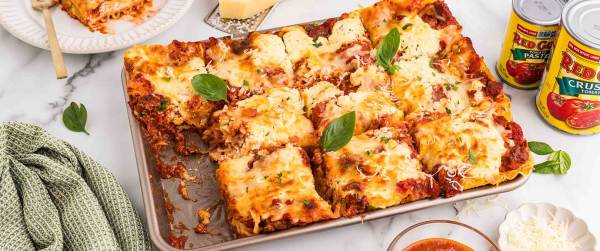
Sheet Pan Lasagna
This sheet Pan Lasagna delivers all the comforting layers of the classic with more crispy, cheesy edges in every serving. Red Gold Crushed Tomatoes, Tomato Paste & Tomato Sauce create...
-
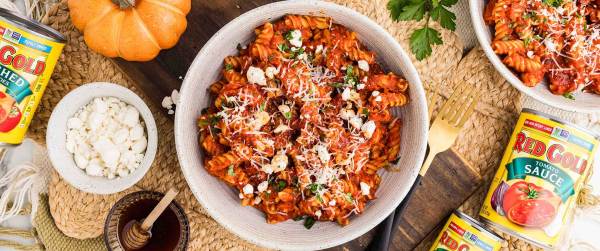
Hot Honey, Pumpkin and Goat Cheese Pasta
This Hot Honey, Pumpkin, and Goat Cheese Pasta pairs a savory pumpkin-tomato sauce with creamy goat cheese and a sweet, spicy drzzle of hot honey. Red Gold Tomato Paste, Sauce...
-
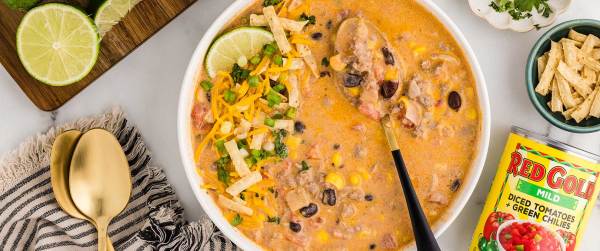
Queso Taco Soup
This Queso Taco Soup is packed with bold, savory flavor in every bite. Seasoned ground beef, Red Gold Mild Diced Tomatoes + Green Chilies, black beans, and corn come together...