
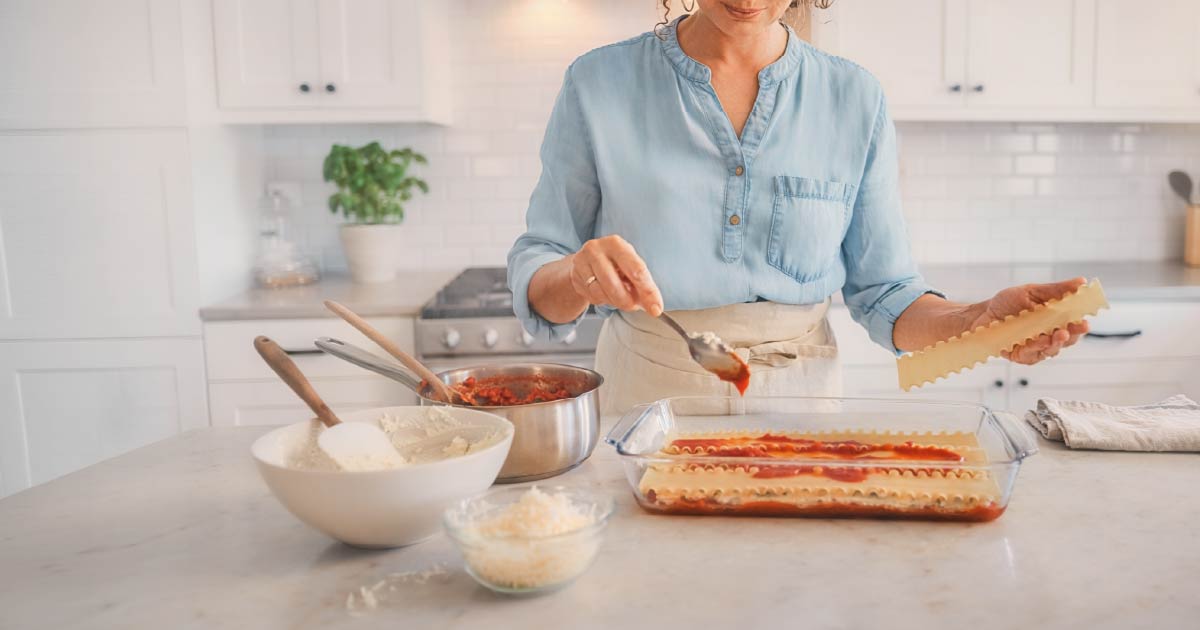
How to Layer Lasagna (The Right Way)
Lasagna. Just the name gets your taste buds flowing. It’s delicious because of the lasagna layers and rich meats and dairy that dominate the palate, but great lasagna is built on the sauce. The best sauce for lasagna is a bright, slightly tangy tomato sauce that cuts through the richness of the cheese and meat, refreshing your palate and making each bite as appealing as the last. If you want your dinner companions to keep coming back for more, it’s important to have the best sauce and to know how to layer lasagna so that it holds its shape and bakes evenly.
The Correct Order to Layer Lasagna (Quick Answer)
To make the best lasagna, you need to know the lasagna layers order. The sequence below is ideal for a standard 9×13 dish:
- Thin layer of sauce across the bottom of the dish.
- A single layer of lasagna noodles.
- Ricotta (or cheese) mixture.
- Meat sauce.
- Shredded mozzarella.
- Repeat noodles, ricotta, meat sauce, and mozzarella.
- Finish with noodles, a full coat of sauce, mozzarella, and Parmesan.
Why the Layer Order Matters
Great lasagna isn’t just about good ingredients stacked together. Your lasagna layers order does real work, and each one has a structural job that shapes the texture, moisture, and hold of the final dish.
- Sauce goes first. A thin layer on the bottom of the pan keeps your noodles from sticking and scorching against the hot metal. Skip it, and you’ll fight to lift that first serving.
- Sauce between every layer is the glue. It keeps the lasagna moist as it bakes and helps the layers set, so your slices hold their shape when you cut into them.
- Sauce quality controls texture. A thick, rich tomato sauce binds the layers together. Reduce your sauce until it’s robust, and start with the quality of Tuttorosso Tomatoes to build the body you need from the first spoonful.
Lasagna Ingredients: What Goes in Each Layer
Every ingredient plays a role in how your lasagna turns out, so pick your noodles, sauce, and cheeses with the final dish in mind. Think about the texture, flavor, and hold you want on the plate, and let that guide each choice you make.
Choosing Your Noodles
Regular noodles boiled to al dente give you the most control and soak up plenty of sauce, while no-boil or oven-ready sheets bake right in the dish and need extra sauce to soften properly. Fresh pasta sheets cook fast for a tender, delicate result with a lighter sauce touch. Overlap the sheets slightly and trim the edges so they fit your pan snugly and layer evenly.
The Best Sauce for Lasagna
The sauce is the backbone of any great lasagna, and a rich, meaty one is hard to beat. Its thick texture clings to every noodle and holds firm between layers, so each slice stays hearty instead of soupy. Short on time? Reach for a Quick and Savory Pasta Sauce, or keep it plant-based with a satisfying Lentil Bolognese that layers up just as beautifully.
The Cheese Layer
All the ingredients are important, but the cheese layer cannot be overlooked. A ricotta blended with an egg, grated Parmesan (Parmigiano-Reggiano), and herbs ensures the layer sets cleanly. If you’re looking for substitutions, use drained cottage cheese for a lighter layer, or a classic béchamel for the traditional Italian version. Mozzarella is the melting cheese; finish layers with fresh black pepper.
How to Layer Lasagna, Step by Step
Here is exactly how each layer stacks in a 9×13 dish, from the sauce base to the golden top.
Ladle a thin layer of sauce across the bottom of your dish before anything else goes in. This reduces the chances of sticking. Bare noodles pressed against a hot pan will scorch and attach themselves to the metal, ripping the moment you try to serve. A thin coat, just enough to glaze the surface, creates a buffer of moisture that keeps that first noodle layer tender. Don’t overdo it, because a pool of sauce will make the bottom soggy and unstable.
Lay your noodles in a single layer, edge to edge, with no overlap. Overlapping creates thick, gummy seams that never cook evenly. If your noodles don’t quite reach the corners, break a piece to fill the gap rather than doubling them up. For most 9×13 dishes, three noodles laid lengthwise covers the surface. If you’re using no-boil noodles, remember they expand as they absorb liquid, so leave a little breathing room around the edges. Press them gently into the sauce so they make full contact.
Spread your ricotta mixture in an even layer, right to the edges. Be gentle here because ricotta likes to drag the noodles up with your spatula. To avoid that, drop small spoonfuls across the surface first, then connect them with light strokes instead of one heavy sweep. Season your ricotta beforehand with salt, an egg to bind it, and a handful of grated Parmesan for depth. Aim for a layer about a quarter-inch thick so it holds its own without overwhelming everything above it.
Spoon the meat sauce over the ricotta and spread it gently to the corners. This layer carries most of the flavor and moisture, so be generous, but keep it even. Uneven mounds create hot spots that bubble over while thin patches dry out. Your sauce should be thick and cooked down, not watery. A loose, thin sauce releases too much liquid as the lasagna bakes and leaves you with a soupy pan that won’t slice cleanly. If your sauce looks runny, simmer it a few extra minutes before layering to concentrate it.
Scatter shredded mozzarella evenly across the meat sauce. Freshly grated mozzarella melts far better than pre-shredded bags, which are coated in anti-caking starch that can turn grainy. Keep this internal layer moderate. A little melted mozzarella between layers helps bind everything and adds that classic cheese pull, but piling it on here makes the lasagna greasy and slippery, so it slides apart when you cut it. Save your heavier layer for the top.
Now it’s time to rebuild: noodles, ricotta, meat sauce, mozzarella, in that order. Keep each layer as even as the first so the finished lasagna bakes uniformly and slices into clean, stacked portions. Two to three full repeats is the sweet spot. Go higher and the center struggles to heat through, leaving cold spots while the edges overcook. Keep an eye on your dish height, too. Fill it no more than three-quarters full to leave room for the top layer and any bubbling that happens in the oven.
Cap the lasagna with a final layer of noodles, then coat them completely with sauce. Don’t leave any uncovered, because an exposed noodle will dry out and curl into brittle, leathery edges under the heat. Finish with a full blanket of mozzarella and a generous dusting of Parmesan, which browns beautifully and delivers that golden, bubbling crust. Bake covered with foil for the first stretch to trap steam and cook the layers through, then uncover for the last 15 to 20 minutes to let the top brown. Let the lasagna rest at least 15 minutes before slicing. This is the step most people skip, and it’s why their lasagna falls apart. Resting lets the layers set so each piece holds its shape on the plate.
How to Layer Lasagna with Different Ingredients
The lasagna layers order stays the same, but the filling can change. Here are some of the most common variations:
With Ricotta Cheese
This is the classic American choice. The ricotta layer goes between the noodles and meat sauce; bind it with an egg so it sets cleanly.
With Cottage Cheese (Substitute)
This provides a lighter, tangier swap for ricotta in the same position. Drain it well to avoid extra moisture.
With Meat (and Ricotta)
If you want to know how to layer lasagna with meat and ricotta cheese, remember that meat sauce is its own layer above the ricotta, not mixed in, so each layer stays distinct.
With Béchamel (the Italian Way)
For a traditional Italian lasagne alle Bolognese, use béchamel instead of ricotta. Then alternate the noodles, ragù, and béchamel, finishing with sauce and Parmesan.
Vegetable / Veggie Lasagna
Layer roasted or thinly sliced vegetables (zucchini, spinach, eggplant) in place of, or alongside, the meat. Salt and drain watery vegetables first so the lasagna does not turn soupy.
How to Layer with No-Boil (Oven-Ready) Noodles
Oven-ready noodles absorb moisture as they bake. Every noodle must be fully surrounded by sauce or it stays hard. Add a splash more sauce than usual and make sure the edges are covered.
Common Lasagna Layering Mistakes to Avoid
A few small missteps can turn your lasagna from clean, sliceable layers into a soupy mess, so watch out for these common mistakes.
- Skipping the bottom sauce layer – noodles stick and scorch.
- Too much ricotta – the layers slide when you cut.
- Watery sauce – you get a soupy lasagna that won’t hold a slice; reduce the sauce or start with a thick canned tomato.
- Overfilling the pan – it bubbles over and bakes unevenly.
- Exposed noodles on top – they dry out and curl, so cover the top completely with sauce.
- Slicing too soon – the layers collapse; rest 15–20 minutes before cutting.
Frequently Asked Questions (FAQ)
Begin with sauce on the bottom, then repeat noodles, ricotta, meat sauce, and mozzarella, finishing with noodles, sauce, and cheese on top.
The last layer is noodles covered fully with sauce, then mozzarella and Parmesan, so the top bakes golden and no noodle is left exposed.
Meat sauce goes on after the ricotta layer and below the mozzarella, in each repeat.
Lasagna layers should include three to four noodle layers, depending on the depth of your dish.
Yes, you can assemble, cover, and refrigerate your lasagna for up to 24 hours before baking, or freeze it unbaked and add a few minutes to the bake time from cold.
Build Your Best Lasagna with Tuttorosso
Great lasagna isn’t built on noodles or cheese alone. Lasagna layers order is important, but it starts with sauce that tastes like it simmered all afternoon. When your foundation is rich, bright, and full of real tomato flavor, every layer above it tastes better. That’s the Tuttorosso difference.
Now it’s your turn to make magic in your own kitchen. Try the Classic Italian Lasagna for that timeless, crowd-pleasing comfort, or reach for the Lasagna Primavera when you want fresh veggies and lighter layers.
Your best lasagna yet is only a bubbling pan away!
Related Products
-
Fire Roasted Tomato Paste 6 oz 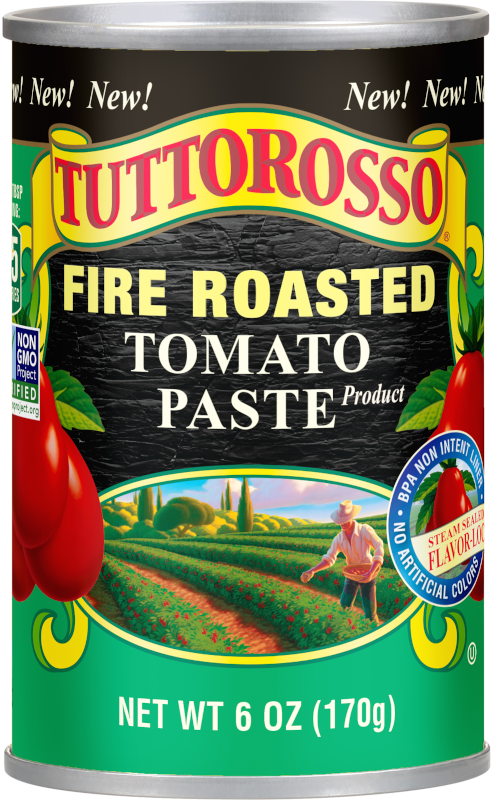
Fire Roasted Tomato Paste 6 oz
-
Fire Roasted Petite Diced Tomatoes 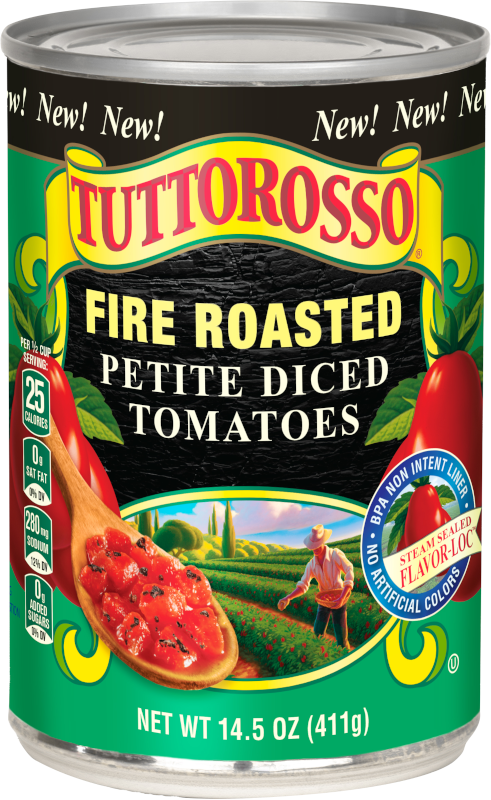
Fire Roasted Petite Diced Tomatoes
-
Fire Roasted Petite Diced Tomatoes with Roasted Garlic 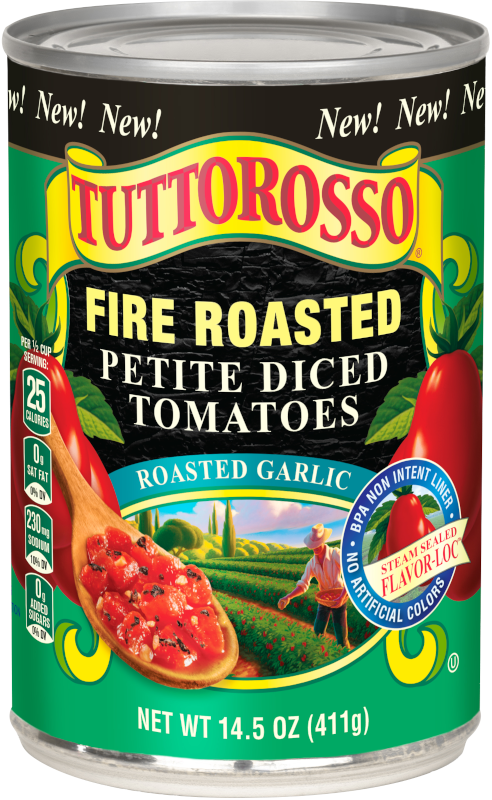
Fire Roasted Petite Diced Tomatoes with Roasted Garlic
Related Recipes
-
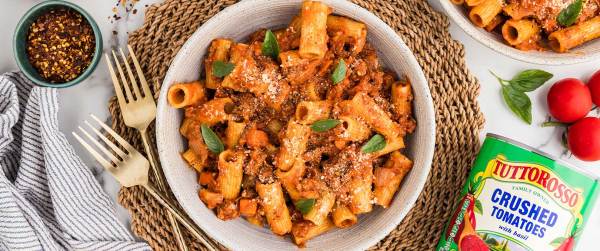
Weeknight Bolognese
This Weeknight Bolognese delivers the slow-simmered flavor of the classic in a fraction of the time. Tuttorosso Crushed Tomatoes with Basil form the base of the sauce, while calabrian chilis...
-
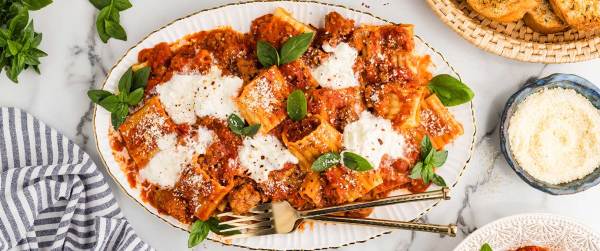
Italian Sausage & Burrata Paccheri
This Italian Sausage & Burrata Paccheri features a rich tomato sauce made with savory Italian sausage, Tuttorosso Crushed Tomatoes with Roasted Garlic, and Tuttorosso Diced Tomatoes with Basil, Garlic &...
-
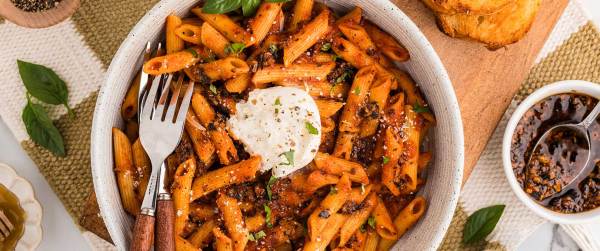
Gochujang Tomato Burrata Pasta
This is the kind of pasta you make when you want something that tastes like a whole production but takes about 15 minutes. Gochujang and chili crisp bring the heat,...