Sustainability
Red Gold is making every effort possible to be environmentally friendly by being good corporate stewards of the planet we all share. We refer to this as Reduce, Reuse & Recycle!
Red Gold Sustainability
Mission Statement
To embrace, promote and model economic, environment, and social practices that respect and improve the quality of life for future generations.
Sustainability is in our DNA
We are obsessive about producing the best tomatoes in the most sustainable and environmentally-friendly way. Red Gold has taken its own path to ensure our operations are sustainable, responsible and accountable.
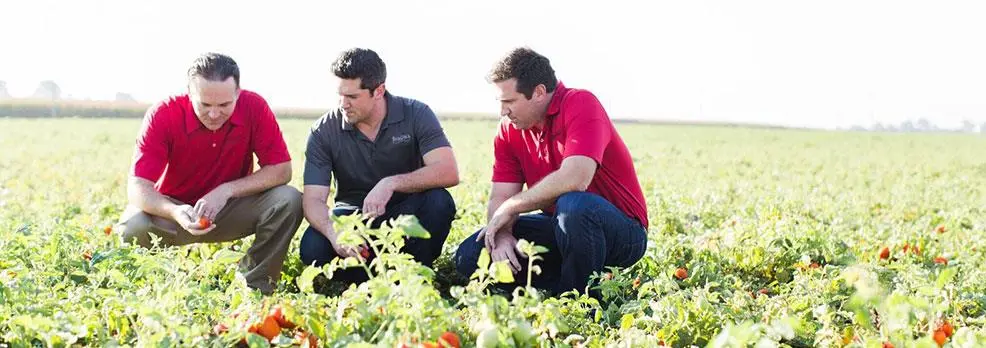
At Red Gold, we’re obsessive about producing the best tomatoes in the most sustainable and environmentally conscious way. It’s simply the right thing to do. From the way our family farmers care for their land to the way we recycle and reuse as much scrap material as we can, we want to leave our land and family business in even better shape than we found it — for generations down the line.


Midwest soil is special for a reason, and that reason started with the last ice age. Sixteen thousand years ago, glaciers in the region covered the Midwest and they moved about a foot a day picking up nutrient rich topsoil and carving the land. Once the glaciers finally melted, it deposited this amazingly rich textured soil right where our tomatoes are grown. This ‘glacier till’ holds water incredibly well…making it ideal for growing some of the healthiest, best tasting tomatoes in the country.
A Living Commitment to Sustainability at Red Gold Geneva

When Red Gold purchased the Geneva facility, the company didn’t just invest in a building — it invested in the land around it. From the very beginning, Red Gold made a deliberate decision to build and preserve wetlands bordering the facility to the south and east, reinforcing a long-standing commitment to sustainability, conservation, and responsible growth.
Today, those wetlands are flourishing.
Bursting with activity and natural beauty, the area surrounding the Geneva plant is alive with movement and color that truly spans every shade of the rainbow. This vibrant ecosystem stands as a powerful example of how thoughtful planning and environmental responsibility can create a lasting, positive impact.
Designed with Nature in Mind
Red Gold has always prided itself on being a good steward of the environment. Building the wetlands was an intentional step to support wildlife, protect water quality, and maintain natural habitats—demonstrating that sustainability is not an afterthought, but a core value woven into company operations.
That commitment is paying off.
In 2025, Ryan Smith, DNR Ecologist, visited the Geneva wetlands on two separate occasions. During his observations, he recorded more than 57 different species of birds, an impressive indicator of a healthy and thriving ecosystem. Even more exciting was the sighting of the majestic bald eagle, a powerful symbol of conservation success and environmental renewal.
A Haven for Wildlife
Among the many bird species observed were:
- Red-headed Woodpecker
- Baltimore Oriole
- Common Yellowthroat
- Green Heron
- Great Blue Heron
- Indigo Bunting
- Purple Martin
Each of these species relies on safe, well-maintained habitats like the Geneva wetlands for nesting, feeding, and migration. Their presence reflects the balance that can be achieved when industry and nature coexist thoughtfully.
Sustainability Today—and for the Future
The wetlands at Red Gold Geneva are more than just a scenic backdrop—they are a living testament to the company’s dedication to environmental responsibility, biodiversity, and long-term sustainability. By protecting natural resources and encouraging thriving ecosystems, Red Gold continues to demonstrate that success isn’t measured only by what we produce, but by how we care for the world around us.
Photos of these remarkable birds are courtesy of the Audubon Society (www.audubon.org/field-guide/bird), whose mission closely aligns with Red Gold’s own commitment to conservation.
At Red Gold, sustainability isn’t just a promise—it’s something you can see, hear, and experience every day at the Geneva plant.
Reduce, Reuse, Recycle
Red Gold is making every effort possible to be environmentally friendly by being good corporate stewards of the planet we all share…we refer to this as Reduce, Reuse, Recycle
We’ve worked with local family farms for over 80 years to grow the best tasting tomatoes in the world. Why? Because we are a family business and supporting other local family businesses is important to us. Today we work with 30+ family farms across Indiana, Michigan and Ohio some of whom have been with us for over 30 years.
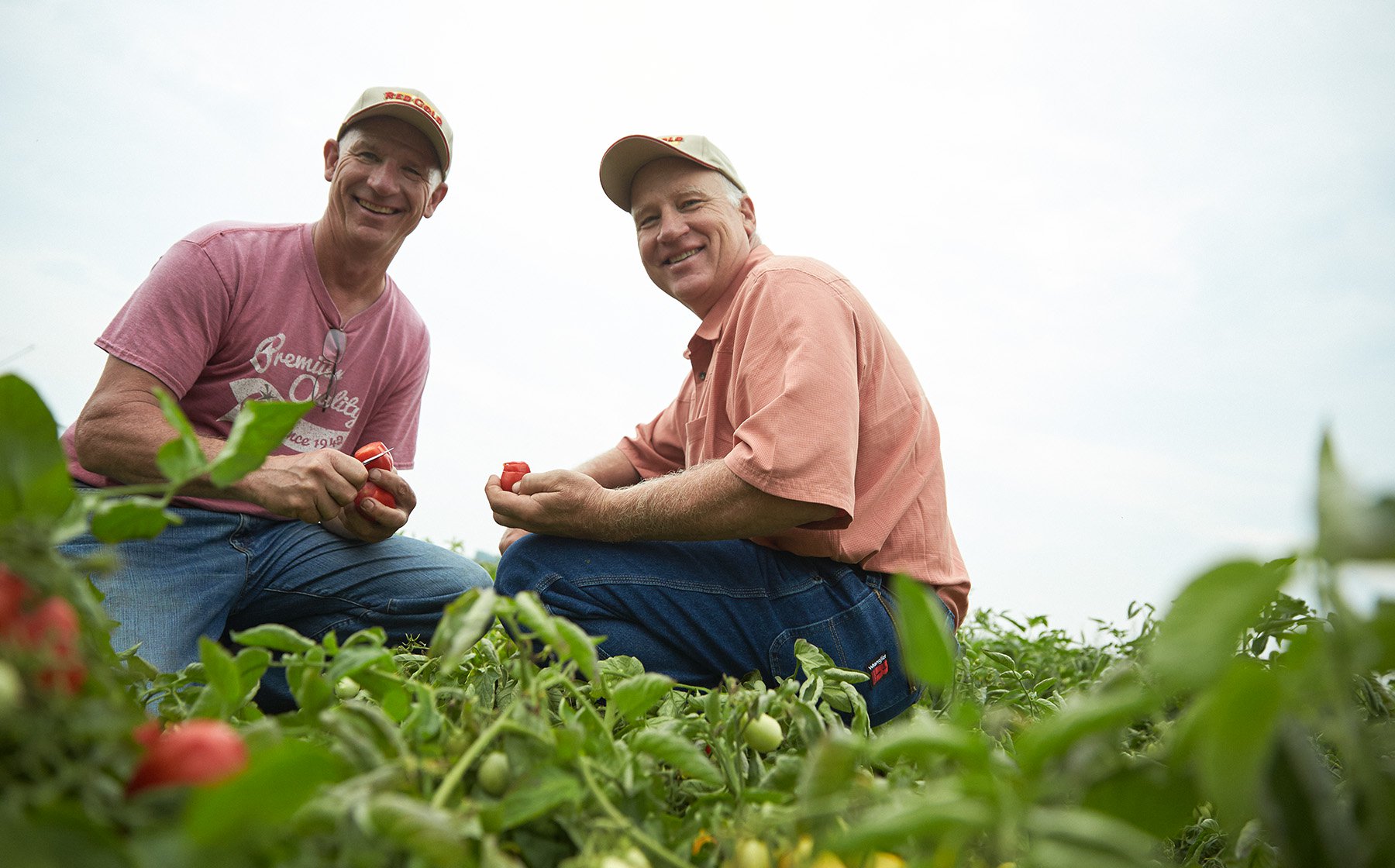
One of the many reasons we partner with multi-generational farm families is that they’re not just caring for their land for today…they’re thinking of the next generation and the one after that. Our farm families have a vested interest in keeping their farms healthy and we encourage that by rewarding innovation, conservation and stewardship.

Land
Mandatory requirements for crop rotation
Use of cover crop during the winter months
Use tomato seed/peel waste for animal feed
Variable Rate Technology – Utilizes GPS to allow for the prescribed amounts of fertilizer as determined by soil tests
Reverse Osmosis Systems that save gas and chemical usage for water usage.
Wetlands projects at Geneva and Orestes – pull heat out of the water we use for processing with the impact of creating friendly environments for over 150 species of wildlife

Transportation
Company-wide implementation of Direct Plant Shipments – Saves 75,000 gallons of fuel each year
Improved Weight Utilization of Rail Cars & Plant Shuttles –saving over 30,000 gallons of fuel each year
Shuttle Fuel Management – Reduced engine idle time saving over 15,000 gallons of fuel each year.
Reduced our fleet speeds to 64 mph to conserve energy
Auxiliary Power Units installed in all of our Red Gold Semi-Trucks reducing our idle time fuel by 70% – saving 168,000 gallons of fuel each year

Facilities
Motion Sensor Lighting in Warehouses – lights are activated only when they are needed
Replaced some off-site warehouses with on-site warehouses at our plants, reducing diesel fuel usage.
Reduced weight in product containers – reducing our material usage by over 2,000,000 pounds
Reducing and reusing Railcar Corrugated Dunnage and using corrugated that is made up of 40% recycled materials.
Fork Lift Efficiency – reduced movement at our Distribution Center saves nearly 15,000 gallons of propane per year.
Strive to achieve a zero landfill status by recycling and reusing everything in all of our facilities.

How2Recycle
How2Recycle is the most recognized on-pack labeling system that clearly communicates disposal instructions to the public. We aim to eliminate consumer confusion and drive responsible packaging design to improve the quality of recycled materials.
Our coalition of forward-thinking brand, manufacturer, and converter members are empowering consumers through awareness and transparency around proper disposal.
Packages can be recycled with the Widely Recyclable label through curbside or drop-off programs. Packages with this label are accepted by 60% of America’s recycling facilities and 50% of Canada’s.
Look for the How2Recycle icon on all of our Red Gold labels for direction on how to recycle the different packaging (ie cans, bottles, etc).
.