

You’re halfway through one of your favorite recipes when you reach for the tomato paste, and the cupboard is bare. If you don’t have tomato paste, do not fret! There are several solid tomato paste substitutes that can save the dish, provided you know which one fits your recipe. The right tomato paste alternative depends on what your recipe actually needs.
Grabbing any tomato product and swapping it 1:1 rarely works. Tomato paste is a powerhouse of condensed flavor, and most substitutes bring significantly more water to the table. Use the wrong ratio and you’ll thin out your sauce, dilute your chili, or end up with a pizza base that weeps into the crust. The good news? Each substitute below comes with a precise ratio and clear guidance on when to use it, and when to reach for something else instead.
The 7 best tomato paste substitutes are: tomato sauce (best all-purpose), tomato puree (closest texture), canned crushed tomatoes (best for soups and chili), passata (best for pasta and pizza), ketchup (use with caution), sun-dried tomatoes (best for concentrated flavor), and fresh tomatoes (most work, least predictable).
Why Is Tomato Paste Hard to Replace?
Tomato paste consists of tomatoes that have been cooked down for hours and strained until almost all moisture is gone. What’s left is a thick, deeply concentrated product with rich umami flavor, intense color, and almost no liquid. Just one tablespoon adds depth that would otherwise take 20–30 minutes of simmering to develop.
Most tomato paste substitutes start with the same raw ingredient but retain far more water. A straight 1:1 swap almost always adds liquid the recipe didn’t account for, which changes texture, dilutes flavor, and can throw off cook times. The ratios below are calibrated to match the tomato intensity of 1 tablespoon of paste, not just the volume.
The 7 Best Substitutes for Tomato Paste
Let’s begin with the most versatile tomato paste substitute to the most situational.
1. Tomato Sauce : Best All-Purpose Substitute
Plain tomato sauce is the most practical sub for tomato paste. It’s widely available, works across most dish types, and delivers a clean tomato flavor that doesn’t compete with other ingredients.
Ratio for Substituting Tomato Sauce for Tomato Paste: 3 tablespoons tomato sauce = 1 tablespoon tomato paste
The main tradeoff is added liquid. To compensate, reduce another liquid in the recipe by 2 tablespoons, or simmer the sauce in the pan for a couple of minutes before adding other ingredients. Use plain canned tomato sauce, not jarred marinara, as herbs and garlic in marinara will shift the flavor profile in ways that are hard to predict.
- Works well in: Soups, stews, chili, meat sauces, braised dishes
- Avoid for: Recipes where you need a tight, thick consistency right away
2. Tomato Puree: Closest Texture Match
Tomato puree sits between tomato sauce and paste in terms of thickness, making it the closest texture match on this list.
Ratio for Substituting Tomato Puree for Tomato Paste: 2 tablespoons tomato puree = 1 tablespoon tomato paste
One important note:
naming conventions differ by country. In the U.S., tomato puree is a smooth, cooked liquid—thicker than sauce but thinner than tomato paste. In the U.K. and Australia, “tomato puree” typically refers to what Americans call tomato paste: a thick, concentrated product. Double-check the label before using.
- Works well in: Pasta sauces, soups, slow-cooked meat dishes
- Avoid for: Recipes that require paste-level thickness without any reduction time
3 Canned Crushed Tomatoes: Best for Soups and Chili
Canned crushed tomatoes carry the most liquid of any option on this list. They work best in long-simmer dishes that have time to cook off the excess water.
Ratio for Substituting Crushed Tomatoes for Tomato Paste: 4 tablespoons (¼ cup) crushed tomatoes, simmered down = 1 tablespoon tomato paste
If time allows, simmer the crushed tomatoes in a separate pan until reduced by about half before adding them to the recipe. Skipping this step is fine in chili or beef stew—the long cook time handles reduction naturally. It’s not appropriate for quick sauces or pizza, where the extra liquid has nowhere to go.
- Works well in: Chili, beef stew, slow-cooked soups
- Avoid for: Quick sauces, pizza bases, any dish with under 20 minutes of cook time
4. Passata/Strained Tomatoes: Best for Pasta and Pizza Sauces
Passata is an uncooked tomato puree that has been strained of its’ skins and seeds. The result is a smooth, pourable product with a brighter, fresher flavor than any of the cooked tomato options above.
Ratio for Substituting Strained Tomatoes for Tomato Paste: 3 tablespoons passata = 1 tablespoon tomato paste
Because passata is minimally processed, it delivers a clean tomato flavor that works especially well when tomato is front and center—pasta or pizza sauces. Apply the same liquid adjustment as tomato sauce: reduce another liquid by 2 tablespoons, or simmer passata briefly before building the rest of the dish.
- Works well in: Pasta sauces, marinara, pizza bases
- Avoid for: Dishes that need a deep, cooked-down tomato richness
5. Ketchup: Use With Caution
Ketchup is a workable replacement for tomato paste in the right context, but it comes with two significant caveats: added sugar (4g per tablespoon) and vinegar. Both will alter the flavor.
Ratio for Substituting Ketchup for Tomato Paste: 1 tablespoon ketchup = 1 tablespoon tomato paste (reduce added sugar in the recipe)
Ketchup holds its own in chili, barbecue-style meat sauces, and savory-sweet dishes where a little sweetness and acidity aren’t out of place. It falls flat in delicate pasta sauces or pizza, where the vinegar and sugar become obvious and unbalanced.
- Works well in: Chili, meatloaf glaze, barbecue-style sauces, savory-sweet braises
- Avoid for: Pasta sauces, pizza, dishes where clean tomato flavor matters
6. Sun-Dried Tomatoes: Best for Concentrated Flavor
Sun-dried tomatoes are the only substitute on this list that can actually match—or exceed—the intensity of commercial tomato paste. They require a little prep but deliver serious depth.
Ratio for Substituting Sun Dried Tomatoes for Tomato Paste: 1 tablespoon blended sun-dried tomatoes = 1 tablespoon tomato paste
For oil-packed tomatoes, drain thoroughly and blend with a small splash of water until smooth. For dried tomatoes, soak in warm water for 15 minutes first, then blend. Sun-dried tomatoes are better suited to planned cooking than a mid-recipe scramble. They introduce a slightly earthier, more complex flavor that suits slow-cooked meat dishes, grain bowls, and rich pasta sauces.
- Works well in: Slow-cooked meat dishes, pasta, dips, grain bowls
- Avoid for: Mid-recipe emergencies when you’re short on time
7. Fresh Tomatoes: Most Work, Least Predictable
Fresh tomatoes can technically replace tomato paste, but they require significant effort and deliver the least consistent results—ripeness affects flavor and water content in ways that are hard to control.
Ratio for Substituting Fresh Tomatoes for Tomato Paste: Approximately 5–6 Roma tomatoes, cooked down 30–40 minutes = One 6-oz can of tomato paste
Seed and chop the tomatoes, then cook over medium heat until the liquid has fully evaporated. Push through a sieve to remove skins. Roma or plum varieties work best because they’re meatier and less watery, which cuts down reduction time. The outcome depends heavily on how ripe your tomatoes are.
- Works well in: Dishes where you have time to cook from scratch
- Avoid for: Quick weeknight meals or any recipe where consistency matters
Which Tomato Paste Substitute Works Best for Your Dish?
A general rule: the longer the cook time, the more forgiving the swap. Long-simmer dishes like beef stew and chili can absorb extra liquid and still develop deep flavor. Quick sauces and pizza need something closer in concentration to paste.
| Dish Type | Best Tomato Paste Substitute | Substitution Instructions |
|---|---|---|
| Pasta sauce / marinara | Passata or tomato sauce | Reduce liquid by 2 tbsp or simmer briefly |
| Pizza sauce | Passata | Simmer briefly to concentrate before spreading |
| Chili | Canned crushed tomatoes or tomato sauce | No adjustment needed—long cook reduces liquid |
| Beef stew | Canned crushed tomatoes or tomato sauce | Long braise handles extra liquid naturally |
| Soup | Tomato sauce or tomato puree | Adjust seasoning; use less added stock if needed |
| Meatballs or meat sauce | Tomato sauce or tomato puree | Reduce by 2 tbsp from another liquid |
| Quick weeknight dinner | Tomato sauce or ketchup | Tomato sauce: reduce liquid; ketchup: cut added sugar |
For a deeper look at how tomato sauce, tomato puree, and tomato paste differ, Red Gold’s guide breaks it down by texture, flavor, and best use case.
Quick Ratio Reference
| Tomato Paste Substitute | Substitute Ratio | Substitution Instructions |
|---|---|---|
| Tomato sauce | 3 tablespoons | Yes, reduce by 2 tbsp |
| Tomato puree | 2 tablespoons | Yes, reduce slightly |
| Canned crushed tomatoes | 4 tablespoons (¼ cup) | Yes, simmer first, or use in long-cook dishes |
| Passata | 3 tablespoons | Yes, reduce by 2 tbsp |
| Ketchup | 1 tablespoon | Reduce added sugar from recipe |
| Sun-dried tomatoes (blended) | 1 tablespoon | Blend into a paste, use as normal. When packed in oil, completely dry with paper towel. |
| Fresh tomatoes (cooked down) | 5–6 Roma tomatoes | Reduce on low/medium low until thick paste forms |
The Secret to a Great Tomato Paste Substitute? Start With Better Tomatoes
No matter which tomato paste substitute you reach for, the tomatoes behind it make all the difference. For four generations, our family has partnered with 30+ Midwest family farms to bring you Steam Packed Fresh flavor, from our table to yours. With more than 185 industry awards and five ChefsBest® Excellence Awards, Red Gold Tomatoes deliver the quality and flavor that set them apart.
Frequently Asked Questions (FAQ)
Yes. Use 3 tablespoons of plain canned tomato sauce to replace 1 tablespoon of tomato paste. To compensate for the added liquid, reduce another liquid in the recipe by 2 tablespoons, or simmer the sauce briefly before proceeding. Can you substitute tomato sauce for tomato paste? Yes, it’s the most widely recommended swap for a reason. Just avoid jarred marinara, which contains herbs and seasoning that can alter the dish.
Yes, but with caveats. Use 1 tablespoon of ketchup per tablespoon of tomato paste, and reduce any added sugar in the recipe to compensate. Ketchup contains approximately 4 grams of sugar per tablespoon and a noticeable amount of vinegar. It works well in chili and savory-sweet sauces, but it will noticeably sweeten and acidify delicate pasta sauces or pizza.
Yes. Use 2 tablespoons of tomato puree to replace 1 tablespoon of tomato paste, it’s the closest texture match on this list. Note that naming conventions differ: in the US, tomato puree is a smooth, pourable liquid thicker than sauce but thinner than paste. In the UK and Australia, “tomato puree” typically refers to what Americans call tomato paste, so check your label.
No. Tomato soup is too thin, already seasoned, and varies significantly from brand to brand. Adding it as a paste substitute will dilute the dish, introduce unwanted sweetness or spices, and make the final result harder to control. It is not a recommended replacement for tomato paste in any dish.
For texture, tomato puree is the closest match – it’s thicker than sauce and behaves similarly in most recipes. For flavor depth and intensity, blended sun-dried tomatoes can match or exceed the concentration of commercial tomato paste. The right choice depends on whether you’re prioritizing consistency or richness.
Related Products
-
Fire Roasted Petite Diced Tomatoes with Roasted Garlic 14.5 oz 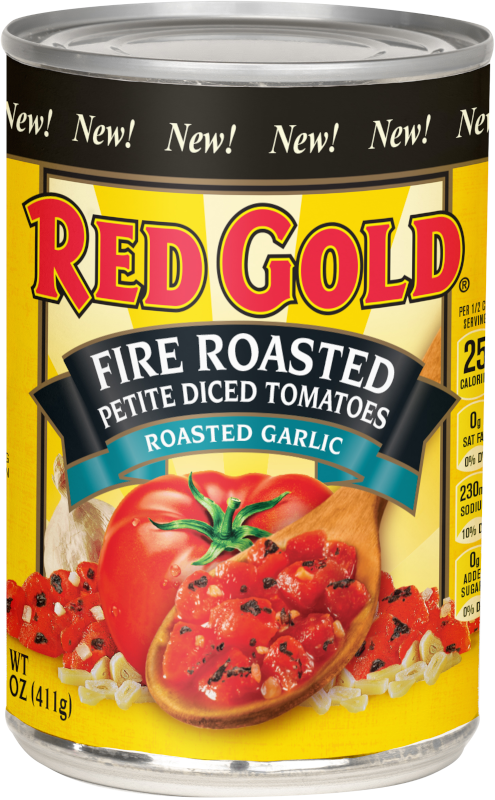
Fire Roasted Petite Diced Tomatoes with Roasted Garlic 14.5 oz
-
Fire Roasted Tomato Paste 6 oz 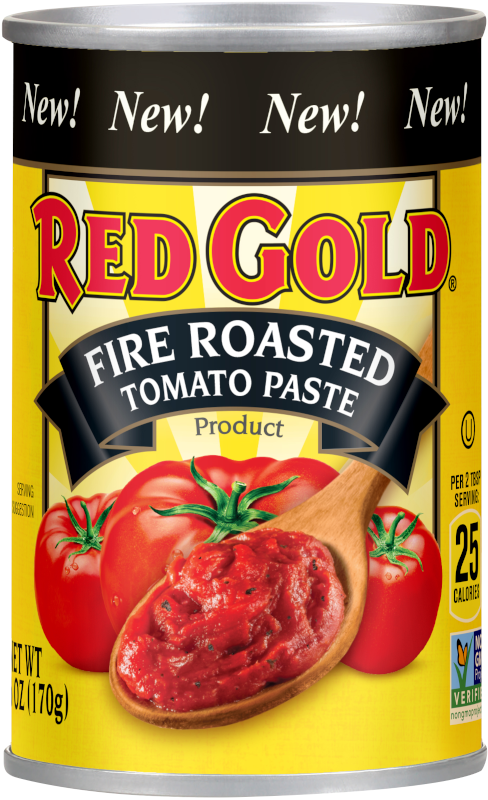
Fire Roasted Tomato Paste 6 oz
-
Fire Roasted Petite Diced Tomatoes 14.5 oz 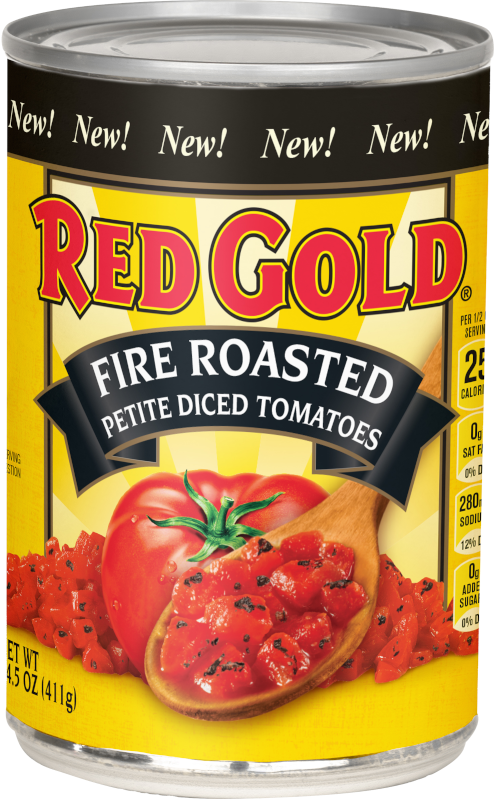
Fire Roasted Petite Diced Tomatoes 14.5 oz
Related Recipes
-

Queso Taco Soup
This Queso Taco Soup is packed with bold, savory flavor in every bite. Seasoned ground beef, Red Gold Mild Diced Tomatoes + Green Chilies, black beans, and corn come together...
-
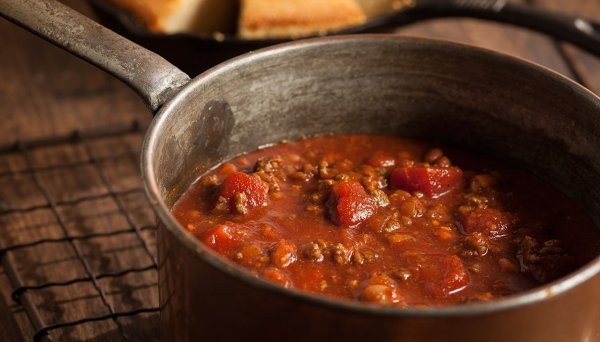
Classic Beef Chili
This is the Reichart family chili recipe! It uses ground beef and three of our Red Gold products to give you that fresh tomato flavor!
-

Stuffed Pepper Soup
This Stuffed Pepper Soup transforms a comforting dinner favorite into a hearty meal for a crowd. Ground beef simmers with bell peppers, onion, cabbage, Red Gold Whole Peeled Tomatoes, and...